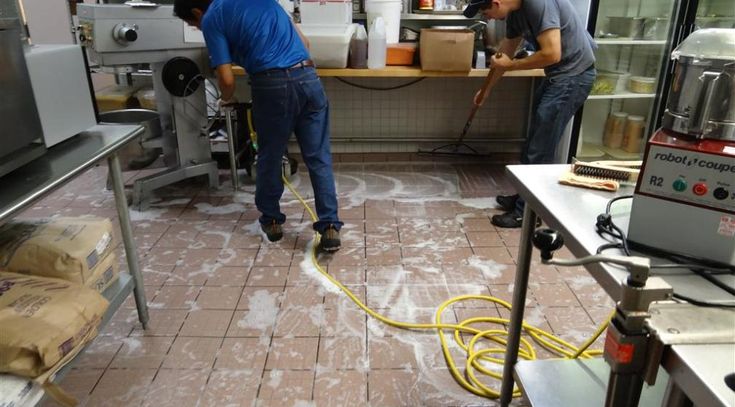
Do you think your restaurant’s cleaning routine is good enough? Think again. In 2025, surface-level scrubbing is no longer sufficient. Customers are savvier, regulators are stricter, and one missed corner could mean a PR disaster. This guide is not about basic sweeping and mopping. It’s about strategic, inspection-proof restaurant cleaning that elevates your entire operation. From daily checklists to in-depth kitchen overhauls, this comprehensive guide will transform your perspective on restaurant hygiene.
Why Restaurant Cleaning Matters More Than Ever
Here’s the unpopular truth: cleaning is not just about compliance. It is marketing, guest retention, staff morale, and brand power. While most restaurants view cleaning as a secondary task, those leading the pack consider it a competitive edge. A dirty vent hood could cost you more than a fine. It could tank your Google rating. And with health inspections more transparent than ever, one poor score becomes everyone’s business.
Now, combine that with post-pandemic customer expectations. Patrons want to see, smell, and feel cleanliness. If they do not? They leave reviews that your next 20 customers will read.
Daily Restaurant Cleaning Checklist
Most restaurant owners assume deep cleaning once a week is enough. However, skipping daily maintenance leads to grime buildup, pest issues, and failed surprise inspections. For clarity, divide your cleaning zones into FOH and BOH.
Front-of-House (FOH) – Daily Tasks
- Sanitize all tables, chairs, and menus after each use by a guest.
- Disinfect payment terminals and touchscreen kiosks.
- Mop entryways and spot-clean floors every 2–3 hours.
- Wipe down windows, glass doors, and wall mirrors.
- Clean and restock restrooms at every shift change.
Back-of-House (BOH) – Daily Tasks
- Sanitize prep surfaces after each task.
- Disinfect cutting boards, knives, and kitchen tools.
- Clean grease traps and stovetop surfaces.
- Empty and disinfect trash bins.
- Sweep and mop all kitchen floors at the end of the day.
You’re not just removing dirt. You’re setting a tone of discipline and care that permeates service.
Weekly and Monthly Deep Cleaning Checklist
Here’s what most do not tell you: grime loves the places you ignore. Weekly and monthly cleanings are not just about going deeper; they’re about going smarter. Start with a schedule that includes:
Weekly Tasks
- Degrease vent hoods and deep-clean ovens.
- Power wash kitchen mats and walls.
- Sanitize ice machines and soda fountains.
- Delime sinks, dishwashers, and faucets.
- Wipe down all light fixtures.
Monthly Tasks
- Empty and scrub walk-in coolers.
- Shampoo carpets and thoroughly clean front-of-house (FOH) upholstery.
- Clean behind fryers, stoves, and fridges.
- Service and clean HVAC filters and ducts.
- Deep-sanitize storage shelves and dry goods bins.
Want it done right? Do not DIY your deep cleaning. This is where commercial specialists like I Got The Power Washer make a difference. We utilize pressure washing and steam cleaning technology to restore your space to its original condition.
Kitchen Cleaning Checklist
Most restaurant managers underestimate the complexity of kitchen cleaning. It’s not just about countertops. The kitchen must be divided into zones: prep, cook, and storage, and each has specific requirements.
Prep Areas
- Sanitize all prep tables before and after use.
- Deep clean meat slicers, mixers, and blenders.
- Store all tools in dry, sanitized drawers.
Cooking Zones
- Clean grill tops, burners, and fryers daily.
- Boil out fryers weekly.
- Degrease exhaust hoods bi-weekly.
- Disinfect knobs, handles, and backsplashes.
Storage Areas
- Label and date all food.
- Wipe down shelves and bins.
- Check for expired items weekly.
- Sanitize fridge doors and seals.
This area is where most violations happen. Cutting corners here means risking it all. Our professionals specialize in restoring these overlooked areas to a state of compliance readiness.
Create a Foolproof Routine
Most cleaning schedules fail because they’re generic. They ignore shift timing, staff fatigue, and layout-specific needs. Here’s how to build a schedule that does not collapse within two weeks.
- Time-Based Schedules: Assign cleaning tasks by shift, including pre-opening and during service post-close.
- Role Assignment: Every staff member should be aware of their assigned cleaning responsibilities. Create a rotation chart.
- Inspection Logs: Track every completed task. Sign-offs build accountability.
- Weekly Overviews: Every Sunday, review the tasks that were missed and schedule extra support as needed.
We offer custom schedule templates tailored to your space, staff size, and service hours.
Restaurant Sanitation Checklist & Best Practices
Cleaning removes dirt. Sanitizing kills bacteria. Confusing the two leads to ineffective hygiene and failed health inspections.
Sanitization Must-Haves
- EPA-approved sanitizers for surfaces and tools.
- Color-coded cloths to avoid cross-contamination.
- Clearly labeled spray bottles.
- Dishwashing protocols with final rinse temperature tracking.
Sanitization Best Practices
- Use disposable gloves and change frequently.
- Never mix chemicals (e.g., bleach + ammonia).
- Store all sanitizers away from food.
Our commercial sanitation services include certified disinfectant application and compliance documentation.
How to Train Staff for Effective Cleaning
If cleaning is not ingrained in your training, it won’t happen when it matters. Most staff ignore cleaning because they think it’s optional. Fix that with:
- Onboarding Checklists: Every new hire gets a cleaning guide.
- Visible Task Charts: Post them in prep and service areas.
- Daily Supervisor Checks: Enforce accountability.
- Gamified Cleaning: Reward perfect completion with bonuses or shout-outs.
We can help design and implement a training module that actually gets used, not just signed and shelved.
Compliance, Audits & Health Inspections
Waiting until inspection week to clean up is too late. Inspectors look for patterns, not just polish.
What Inspectors Look For:
- Handwashing stations are fully stocked.
- Clean, labeled, and dated food containers.
- No grime or grease in corners or under equipment.
- Pest-free dry storage areas.
Smart Compliance Moves:
- Monthly deep clean logs
- Staff re-training once a quarter
- Third-party audit every 6 months
Hiring professionals helps you prepare for surprise visits by ensuring your restaurant remains inspection-ready at all times.
Free Tools & Templates
To help you streamline everything above, here are our downloadable tools:
- Daily restaurant cleaning checklist (printable PDF)
- Weekly & monthly deep clean tracker
- Staff role-based cleaning charts
- Restaurant inspection preparation worksheet
Let Us Clean While You Cook
Have you finished cooking? Let us take care of the cleaning. Discover our restaurant cleaning services and receive a customized schedule and cleaning quote today. Your reputation deserves more than basic.
Available exclusively through I Got The Power Washer.
Conclusion
The truth? Cleaning is not a task. It’s a system. The eateries that will succeed in 2025 are the ones that focus on active cleanliness, thorough routines, and expert deep sanitation. If your approach continues to focus on rapid cleaning and infrequent mopping, you’re always trying to keep up.